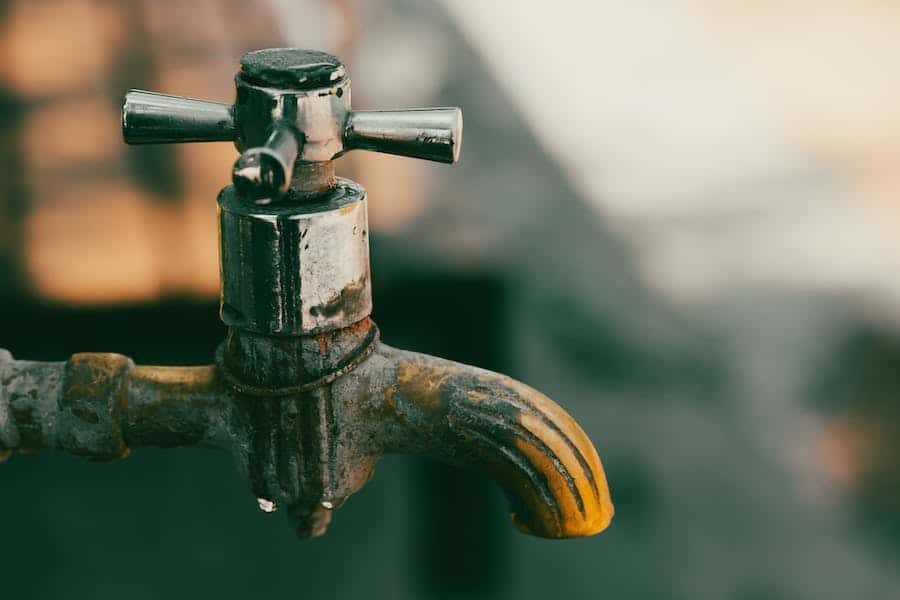
The introduction sets the stage for the article “Understanding Vacuum Breakers: What, Why, When, and How.” A vacuum breaker, though often overlooked, plays a crucial role in various plumbing systems and water-related applications. In this comprehensive guide, we will delve into the world of vacuum breakers, shedding light on their definition, significance, and different types. We will explore why vacuum breakers are indispensable, protecting potable water supplies and preventing contamination. Additionally, we will discuss when and where these devices are required, complying with plumbing codes and regulations. Moreover, we will provide insights into the installation, maintenance, and benefits of vacuum breakers, dispelling misconceptions along the way.
What Is A Vacuum Breaker?
A vacuum breaker is a plumbing device designed to prevent backflow and contamination of potable water supplies. It achieves this by allowing air to enter the plumbing system when there is a drop in pressure, preventing the reverse flow of potentially contaminated water. Vacuum breakers are essential in various applications, including outdoor faucets, irrigation systems, and industrial processes, to ensure water safety and compliance with plumbing regulations.
Why Are Vacuum Breakers Necessary?
Vacuum breakers are necessary for several critical reasons:
- Backflow Prevention: One of the primary functions of vacuum breakers is to prevent backflow. Backflow occurs when the flow of water reverses direction, potentially allowing contaminated or non-potable water to enter the clean, potable water supply. This contamination can pose severe health risks and compromise water quality. Vacuum breakers act as a barrier, ensuring that only clean water flows through the plumbing system.
- Protecting Potable Water: Vacuum breakers are vital for safeguarding the integrity of potable water supplies. Whether in residential, commercial, or industrial settings, ensuring that water remains safe for consumption is paramount. By preventing cross-contamination, vacuum breakers help maintain the quality and safety of the water we use for drinking, cooking, and hygiene.
- Compliance With Plumbing Codes: Many plumbing codes and regulations mandate the installation of vacuum breakers in specific situations. Failing to comply with these requirements can result in legal and health-related consequences. Vacuum breakers are essential tools for ensuring that plumbing systems meet the necessary standards, making them indispensable for regulatory compliance.
- Safety And Health: Vacuum breakers contribute to overall safety and public health. They protect against harmful substances, such as chemicals or bacteria, from entering the water supply. In scenarios like industrial processes or fire sprinkler systems, where the risk of contamination is higher, vacuum breakers are critical for maintaining a safe and sanitary environment.
How To Install And Maintain A Vacuum Breaker?
Installing and maintaining a vacuum breaker is essential to ensure its proper functioning. Here are the key steps for installation and maintenance:
1. Installation:
- Choose The Right Location: Select an appropriate location for the vacuum breaker, following manufacturer guidelines and plumbing codes.
- Positioning: Ensure the vacuum breaker is installed in an upright position and that it is higher than any downstream piping.
- Proper Connection: Connect the vacuum breaker to the plumbing system according to the manufacturer’s instructions, making sure it is securely attached.
- Testing: Conduct a pressure test to confirm that the vacuum breaker is functioning correctly. Make adjustments as needed.
2. Maintenance:
- Regular Inspection: Check the vacuum breaker periodically for signs of damage, corrosion, or blockages. Inspect valves, seals, and all components.
- Cleaning: Clean the vacuum breaker regularly to remove debris, sediment, or mineral deposits that could affect its performance.
- Testing: Test the vacuum breaker annually to verify its effectiveness in preventing backflow. Follow the manufacturer’s recommendations for testing procedures.
- Repairs: If any defects or issues are identified during inspections or testing, promptly repair or replace the vacuum breaker to maintain its reliability.
- Documentation: Keep records of maintenance and testing dates, as well as any repairs or replacements performed.
When Are Vacuum Breakers Required?
Vacuum breakers are required in various situations to comply with plumbing codes and regulations and to ensure the safety and quality of potable water. Here are some common scenarios where vacuum breakers are necessary:
- Outdoor Faucets: Vacuum breakers are often required for garden hoses and outdoor faucets to prevent contaminants, such as pesticides or fertilizers, from siphoning back into the household’s drinking water supply.
- Washing Machines: Some local codes mandate vacuum breakers on washing machine water supply lines to prevent backflow of dirty water.
- Irrigation Systems: Vacuum breakers are essential for preventing contamination of irrigation water, especially in agricultural settings where chemicals and fertilizers are used.
- Fire Sprinkler Systems: Codes often mandate vacuum breakers in fire sprinkler systems to maintain the purity of the water supply, ensuring the system functions effectively during emergencies.
- Chemical Handling Systems: In industrial facilities that handle chemicals, vacuum breakers are required to prevent the accidental mixing of chemicals with the potable water supply.
Benefits Of Using Vacuum Breakers
Using vacuum breakers offers several benefits in various applications:
- Water Quality Assurance: Vacuum breakers prevent backflow and cross-contamination, ensuring that non-potable water or contaminants do not flow into the clean, potable water supply. This helps maintain water quality and safety.
- Compliance With Regulations: Employing vacuum breakers is often a requirement to meet plumbing codes and regulations. Compliance is essential to avoid fines, legal issues, and potential health hazards.
- Protection Of Health: Vacuum breakers protect public health by preventing the ingestion of harmful substances or pathogens present in non-potable water sources.
- Preventing Waterborne Diseases: By maintaining the integrity of potable water, vacuum breakers reduce the risk of waterborne diseases that can result from contamination.
- Cost Savings: Using vacuum breakers can lead to long-term cost savings by preventing costly repairs, water treatment, or legal expenses associated with contaminated water incidents.
- Environmental Impact: Properly functioning vacuum breakers reduce the risk of hazardous substances entering the environment, contributing to ecological preservation.
- Peace Of Mind: Knowing that a vacuum breaker is in place provides peace of mind for property owners, ensuring the safety and quality of their water supply.
- Versatility: Vacuum breakers are versatile and can be applied in various settings, including residential, commercial, and industrial applications.
Conclusion
In conclusion, vacuum breakers play a pivotal role in safeguarding our water supply systems. By preventing backflow and contamination, they ensure the delivery of clean, safe water while complying with stringent regulations. The benefits of using vacuum breakers extend beyond water quality assurance, encompassing health protection, cost savings, and environmental responsibility. Proper installation and maintenance are essential to reap these advantages fully. Embracing vacuum breakers as an integral component of plumbing systems is not just a matter of compliance but a commitment to the safety, quality, and sustainability of our water resources.
FAQ’s
What Is The Purpose Of A Vacuum Breaker?
A vacuum breaker prevents backflow and contamination in plumbing systems by allowing air into the pipes when there’s a drop in pressure.
Are Vacuum Breakers Required By Law?
Yes, in many places, vacuum breakers are mandatory to comply with plumbing codes and regulations, ensuring water safety.
Can I Install A Vacuum Breaker Myself?
Installation is possible, but it’s recommended to hire a professional to ensure proper placement and connection for effective backflow prevention.
How Often Should I Test My Vacuum Breaker?
Vacuum breakers should be tested annually to verify their functionality and compliance with regulations.
What Are The Consequences Of Not Using A Vacuum Breaker?
Without a vacuum breaker, there’s a risk of backflow, which can contaminate the potable water supply, leading to health hazards, legal issues, and costly remediation.




Leave a Reply