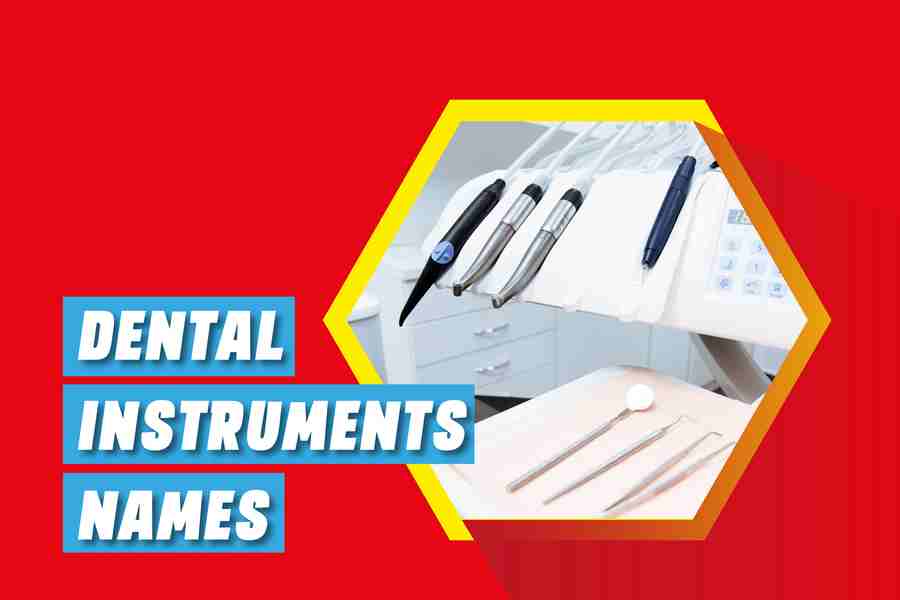
Dental instruments are an essential component of the dental profession. These tools enable dental practitioners to diagnose and treat a variety of dental and oral health conditions accurately and efficiently. Dental instruments come in a wide range of shapes and sizes, and each instrument is designed to perform a specific function. Understanding the names and functions of dental instruments is crucial for dental practitioners to provide high-quality dental care.
One of the significant benefits of dental instruments is their precision. Dental procedures require a high level of precision, and dental instruments are designed to deliver that accuracy. For instance, during a root canal procedure, endodontic instruments are used to clean and shape the root canal precisely. Similarly, restorative instruments are used to restore and repair damaged teeth with great precision, ensuring that the tooth’s structure and function are preserved.
Dental instruments are also crucial for patient comfort. The dental chair can be an intimidating place for patients, and the use of precise and efficient dental instruments can significantly reduce the discomfort and anxiety associated with dental procedures. For example, dental syringes are used to deliver anesthesia to the patient before a dental procedure, ensuring that the patient is comfortable and pain-free throughout the procedure.
Overview Of Basic Dental Instruments Names
Basic dental instruments are used in routine dental examinations and procedures. Here are some of the most common ones:
Mouth Mirrors – These mirrors are an essential part of dental exams and procedures. They are used to reflect light and provide a clear view of the inside of the mouth. The mirror is usually attached to a handle that can be angled for better visibility. Dental practitioners use these mirrors to examine teeth, gums, tongue, and other areas of the mouth.
Explorers – Explorers are used to diagnose tooth decay, cavities, and other dental issues by gently probing the teeth and gums. They have a pointed tip that can be used to detect soft spots or areas of decay on the tooth surface. Dental practitioners also use explorers to locate tartar and other debris in the teeth and gum line.
Cotton Pliers – Cotton pliers are used to place and remove cotton rolls during dental procedures. They have a curved tip that allows them to hold cotton rolls securely, preventing them from slipping during the procedure. Cotton rolls are commonly used to absorb saliva and prevent moisture from interfering with the dental procedure.
Tweezers – Tweezers are another common dental instrument used to hold small objects during dental procedures. They come in different sizes and shapes, and their tips can be pointed or rounded, depending on the intended use. Dental practitioners use tweezers to handle small items such as cotton pellets, gauze, and orthodontic wire.
Periodontal Probes – These instruments are used to measure the depth of gum pockets and to detect gum disease. Periodontal probes are long, thin instruments with a marked tip that can be used to measure the depth of the space between the tooth and the gum line. Dental practitioners use these probes to evaluate the health of the gum tissue and to detect early signs of gum disease.
Overall, these basic dental instruments are essential for any dental practice. They allow dental practitioners to perform routine exams and procedures accurately and efficiently. Knowing the names and functions of these instruments can help patients better understand their dental care and appreciate the expertise of their dental practitioners.
Endodontic Instruments
Endodontic instruments are used to diagnose and treat dental pulp problems. Here are some of the most common ones:
Endodontic Spreader – Endodontic spreaders are used during root canal procedures to spread root canal filling materials. The spreader is a small, thin instrument with a tapered tip that is used to place and shape filling materials into the root canal. This instrument is commonly used to fill the root canal after it has been cleaned and shaped.
Endodontic File – Endodontic files are used to clean and shape the root canal during a root canal procedure. These files are long, thin, flexible instruments that are used to remove decayed tissue, bacteria, and debris from the root canal. They are made of stainless steel or nickel-titanium alloys and come in different sizes and shapes to fit different root canal shapes.
Gutta-Percha Points – Gutta-percha points are used to fill the root canal after it has been cleaned and shaped. These points are made of a rubber-like material called gutta-percha, which is biocompatible and non-toxic. Gutta-percha points come in different sizes and shapes to fit different root canal shapes, and they are usually heated to make them more pliable before they are placed into the root canal.
Endodontic Ruler – An endodontic ruler is used to measure the length of the root canal. This instrument is a small, calibrated ruler that is inserted into the root canal to measure the distance from the tooth surface to the root tip. Accurate measurement of the root canal length is essential for successful root canal treatment.
Endodontic instruments are essential for the diagnosis and treatment of dental pulp problems. These instruments require a high degree of skill and precision to use properly, and their proper use is critical to the success of root canal treatment. Dental practitioners who perform root canal procedures need to have a thorough understanding of these instruments and their proper use to provide the best possible care to their patients.
Orthodontic Instruments
Orthodontic instruments are used in the diagnosis, prevention, and treatment of dental irregularities. Here are some of the most common ones:
Orthodontic Pliers – Orthodontic pliers are an essential tool for dental practitioners who provide orthodontic care. These pliers are used to adjust and tighten orthodontic wires and brackets. They come in various shapes and sizes and can be used to perform a wide range of tasks, including bending wires, adjusting brackets, and closing loops.
Ligature Cutters – Ligature cutters are used to cut the ligature ties that hold the archwire to the brackets. These ties are made of elastic or wire and are used to apply force to the teeth to move them into the desired position. Ligature cutters have sharp, angled blades that are designed to cut through the ligature ties cleanly and easily.
Band Seater – A band seater is used to place orthodontic bands around the teeth. Orthodontic bands are metal rings that fit around the teeth and are used to anchor the archwire. The band seater has a curved tip that fits around the tooth, allowing the band to be placed accurately and securely.
Orthodontic Scissors – Orthodontic scissors are used to cut orthodontic wires and other materials. These scissors have short, sharp blades that are designed to cut through wires and other materials cleanly and easily. They come in different sizes and shapes, depending on the intended use.
Orthodontic instruments are an essential part of orthodontic care, and their proper use is critical to achieving the desired results. Dental practitioners who provide orthodontic care need to have a thorough understanding of these instruments and their proper use to provide the best possible care to their patients.
Restorative Instruments
Restorative instruments are used to restore or repair teeth that have been damaged due to decay or trauma. Here are some of the most common ones:
Excavators – Excavators are used to remove decayed tooth structure. These instruments come in different shapes and sizes and can be used to remove decay from different areas of the tooth. They have a sharp tip that can be used to remove decayed tissue and a curved blade that can be used to access hard-to-reach areas.
Condensers – Condensers are used to compress and shape restorative materials in a prepared tooth. These instruments come in different shapes and sizes and are used to condense composite resin, amalgam, or other filling materials into a prepared tooth. They have a flat, smooth tip that can be used to shape and compress the filling material.
Composite Placement Instruments – These instruments are used to place composite resin filling materials in a prepared tooth. Composite placement instruments come in different shapes and sizes and are designed to place and shape composite resin precisely. They have a curved, pointed, or angled tip that can be used to place and contour the filling material.
Burnishers – Burnishers are used to smooth and shape restorative materials. These instruments come in different shapes and sizes and are used to polish and smooth the surface of composite resin or amalgam restorations. They have a rounded, smooth tip that can be used to create a smooth surface and enhance the aesthetic appearance of the restoration.
Carvers – Carvers are used to shape and sculpt restorative materials. These instruments come in different shapes and sizes and are used to contour and shape composite resin or amalgam restorations. They have a sharp, angled tip that can be used to shape the filling material precisely and create a natural-looking tooth surface.
Restorative instruments are essential for dental practitioners who provide restorative care. They allow dental practitioners to restore or repair teeth that have been damaged due to decay or trauma, resulting in improved oral health and better esthetic appearance. Dental practitioners who use these instruments need to have a thorough understanding of their proper use to provide the best possible care to their patients.
Periodontal Instruments
Periodontal instruments are used to diagnose and treat gum disease. Here are some of the most common ones:
Scalers – Scalers are an essential tool for dental practitioners who provide periodontal care. These instruments come in different shapes and sizes and are used to remove calculus and plaque from the teeth and gum line. They have a pointed tip that can be used to access hard-to-reach areas and a curved blade that can be used to scrape away calculus and plaque.
Curettes – Curettes are used to remove calculus and plaque from below the gum line. These instruments have a long, thin, curved tip that can be inserted into the gum pocket to remove tartar and bacteria. Dental practitioners use curettes to clean the root surface of the tooth, promoting gum tissue healing and preventing further damage to the tooth.
Chisels – Chisels are used to remove bone during periodontal surgery. These instruments have a sharp, straight blade that can be used to remove small pieces of bone during surgical procedures. Dental practitioners use chisels to reshape the bone and remove any infected tissue, promoting healing and preventing further damage to the tooth.
Elevators – Elevators are used to loosen teeth that need to be extracted. These instruments come in different shapes and sizes and are used to elevate the tooth gently from the socket. Dental practitioners use elevators to remove teeth that cannot be extracted using forceps, promoting a smoother and less traumatic extraction.
Periodontal instruments are essential for the diagnosis and treatment of gum disease. They require a high degree of skill and precision to use properly, and their proper use is critical to the success of periodontal treatment. Dental practitioners who provide periodontal care need to have a thorough understanding of these instruments and their proper use to provide the best possible care to their patients.
Oral Surgery Instruments
Oral surgery instruments are used in the diagnosis and treatment of dental and oral diseases. Here are some of the most common ones:
Surgical Blades – Surgical blades are an essential tool for dental practitioners who perform oral surgery. These instruments come in different shapes and sizes and are used to make incisions in the gums during oral surgery. The blades are made of stainless steel and are disposable to prevent infection.
Forceps – Forceps are used to grasp and remove teeth during oral surgery. These instruments come in different shapes and sizes and are designed to fit different teeth and angles. The forceps have a serrated tip that can be used to grasp the tooth and remove it from the socket.
Scissors – Scissors are used to cut tissues and sutures during oral surgery. These instruments come in different shapes and sizes and have different types of blades, depending on the intended use. They have a sharp, pointed tip that can be used to cut through tissue and a curved blade that can be used to access hard-to-reach areas.
Retractors – Retractors are used to hold tissues and expose the surgical site during oral surgery. These instruments come in different shapes and sizes and are designed to fit different areas of the mouth. They have a curved or angled blade that can be used to retract tissues, allowing the dental practitioner to access the surgical site more easily.
Oral surgery instruments are an essential tool for dental practitioners who perform oral surgery. They require a high degree of skill and precision to use properly, and their proper use is critical to the success of oral surgery. Dental practitioners who perform oral surgery need to have a thorough understanding of these instruments and their proper use to provide the best possible care to their patients.
Conclusion
In conclusion, dental instruments are essential tools for dental practitioners to provide high-quality dental care to their patients. These instruments come in different shapes and sizes and have different functions, from basic dental instruments to endodontic, orthodontic, restorative, periodontal, and oral surgery instruments. Understanding the names and functions of these instruments is crucial for dental practitioners to provide accurate and efficient dental care while ensuring patient comfort and minimizing anxiety. Moreover, patients who understand dental instrument names can better understand their dental care and treatment plans, ask informed questions, and communicate effectively with their dental practitioners. This, in turn, allows for better collaboration and more personalized care.
Dental instruments play a vital role in the dental profession, and understanding their importance and function is essential for both dental practitioners and patients. By recognizing the significance of dental instruments and their functions, we can improve the quality of dental care and enhance the overall patient experience.